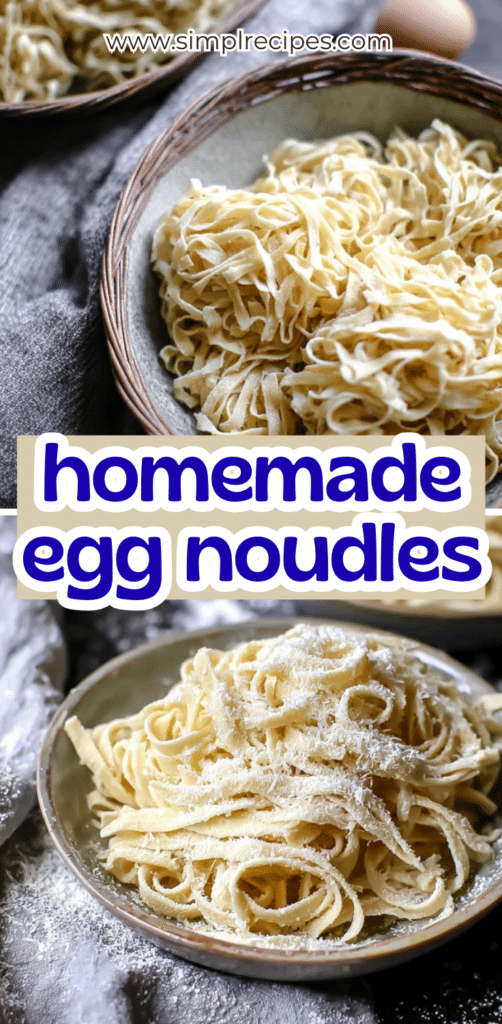
Oh, the simple magic of homemade egg noodles! There’s something so incredibly comforting about a bowl of tender, chewy noodles, made right in your own kitchen. It’s a taste that brings me right back to my grandmother’s bustling kitchen, where every dish was made with love and a sprinkle of wholesome ingredients. These aren’t just any noodles; they’re little strands of joy, ready to soak up all the deliciousness of your favorite sauces or soups.
I remember countless childhood afternoons, perched on a stool, watching Nana deftly mix flour and eggs. Her hands, dusted with white, moved with such grace, transforming humble ingredients into something truly special. The process of making these delightful noodles always felt like a warm hug, a tradition passed down that I now cherish sharing with all of you. It’s a testament to how the simplest things can create the most enduring memories.
This recipe for chewy, satisfying noodles is wonderfully approachable, perfect for a cozy family dinner or adding a homemade touch to any meal. You’ll find that with just a few basic ingredients and a little patience, you can create a culinary masterpiece that’s far superior to anything store-bought. My top tip? Don’t be afraid to get your hands a little floury—it’s all part of the fun!
What You Need to Make This Recipe
Crafting the perfect batch of noodles truly starts with humble, wholesome ingredients. We’re talking about all-purpose flour, rich large eggs, a pinch of salt, and just a touch of water—simple staples that magically transform into delightful homemade egg noodles. The beauty lies in how these basic components come together to create a taste and texture you simply can’t find anywhere else. You’ll find the complete list of ingredients and precise measurements waiting for you in the recipe card below.
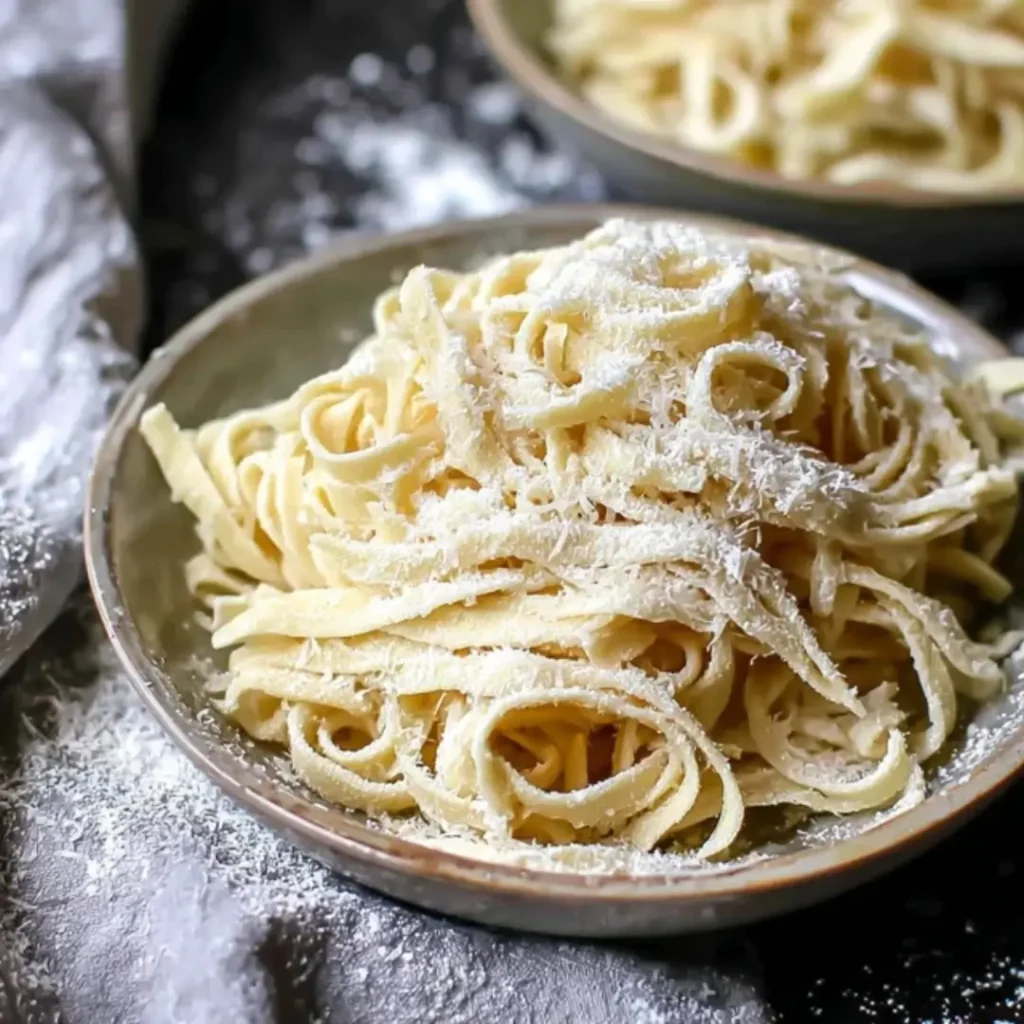
How to Make homemade egg noudles
Making these incredible homemade egg noodles is a delightful journey in three simple steps: first, we bring the dough together with love, just like Nana taught me. Then, comes the satisfying rhythm of rolling it out thinly and cutting it into perfect strands. Finally, a quick dip into boiling water transforms them into tender, chewy perfection, ready for your culinary adventures.
![A close-up of fresh, uncooked {{$('Fetch Recipe Data').first().json["Main Keyword"]}} in a rustic bowl, with whole eggs in the background.](https://simplrecipes.com/wp-content/uploads/2026/01/homemade-egg-noudles-.webp)
Classic Homemade Egg Noodles
Ingredients
Equipment
Method
- In a large mixing bowl, whisk together 2 cups of the all-purpose flour and salt. Create a well in the center of the flour.
- Crack the large eggs into the well. If using, add the 2 tablespoons of water or milk to the well.
- Using a fork, gradually incorporate the flour from the sides into the eggs, mixing until a shaggy dough forms.
- Turn the dough out onto a lightly floured surface. Knead for 7-10 minutes until the dough is smooth, elastic, and no longer sticky. Add small amounts of the remaining flour if necessary, but avoid adding too much.
- Form the dough into a ball, cover it with plastic wrap or a damp cloth, and let it rest at room temperature for at least 30 minutes. This allows the gluten to relax, making it easier to roll.
- Divide the rested dough into 2 or 3 equal pieces. On a generously floured surface, take one piece and roll it out very thinly with a rolling pin. Aim for about 1/16 to 1/8 inch thick. The thinner you roll, the thinner your noodles will be.
- (Manual Method) Once rolled, lightly dust the surface with more flour. You can fold the dough loosely into a rectangle or simply roll it up jelly-roll style. Using a sharp knife, cut the dough into strips of your desired width (e.g., 1/4 inch for thin, 1/2 inch for wide).
- (Pasta Machine Method) If using a pasta machine, roll the dough through the widest setting a few times, folding and dusting with flour between passes, until smooth. Then progressively roll through narrower settings until desired thickness is reached (e.g., setting 4 or 5 for medium noodles). Finally, pass the sheets through the fettuccine or spaghetti cutter attachment.
- Gently separate the cut noodles and lay them in a single layer on a lightly floured baking sheet or hang them on a pasta drying rack. Let them air dry for 15-30 minutes. This prevents sticking and helps them hold their shape when cooked.
- Bring a large pot of salted water to a rolling boil. Add the homemade egg noodles, stirring gently to prevent sticking.
- Cook for 2-5 minutes, depending on thickness and desired tenderness. Fresh noodles cook much faster than dried. Taste one to check for doneness; they should be al dente or tender.
- Drain the noodles well using a colander. Do not rinse, as this removes the beneficial starch that helps sauce adhere.
- Serve immediately with your favorite sauce, in soup, or tossed with a little butter and herbs.
Notes
Pro Tips for Making This homemade egg noudles
Baking and cooking are all about building confidence, and with these tips, your homemade egg noodles will be perfect every time! My grandmother always said, “A good baker knows their dough by feel,” and it’s so true. Don’t be afraid to adjust the flour or water slightly until your dough feels pliable and smooth, not sticky.
My Secret Trick: I always let my dough rest for at least 15-20 minutes after kneading. This allows the gluten to relax, making the dough much easier to roll out thinly and preventing your noodles from being tough. It’s a little step that makes a huge difference in achieving that wonderfully chewy texture.
When rolling, aim for a thickness like a pasta sheet—about 1/16th of an inch. If you don’t have a pasta maker, a good old rolling pin and a bit of elbow grease work wonders. I always recommend lightly flouring your surface and the dough as you go to prevent sticking, making the cutting process a breeze.
Finally, don’t overcrowd the pot when cooking your noodles. They need space to swim and cook evenly. I usually cook them in smaller batches, fishing them out with a slotted spoon as soon as they float to the top and are tender, which is usually around 5 minutes.
Fun Variations for homemade egg noudles
One of the greatest joys of making homemade egg noodles is how adaptable they are! While the classic version holds a special place in my heart, I love experimenting with little tweaks to add new dimensions of flavor and color. My sister, for instance, always asks me to add a pinch of turmeric to the dough for a beautiful golden hue and a subtle earthy note.
Herb-Kissed Noodles
For a fragrant twist, try incorporating finely chopped fresh herbs into your dough. Rosemary, chives, or parsley can elevate your noodles, making them perfect for light broths or a simple butter sauce. A friend loves when I make these for her, especially with a sprinkle of freshly grated Parmesan.
Whole Wheat Goodness
If you’re looking for a heartier option, you can substitute a portion of the all-purpose flour with whole wheat flour. Start with a 50/50 mix, knowing that you might need a tiny bit more water to achieve the right dough consistency. These have a lovely nutty flavor and add a rustic touch to any dish.
Spicy Kick
For those who enjoy a little heat, a pinch of red pepper flakes or a dash of smoked paprika can be kneaded into the dough. Imagine these zesty noodles in a vibrant tomato sauce—pure bliss!
What to Serve With homemade egg noudles
Oh, the possibilities are endless when it comes to pairing your beautiful homemade egg noodles! Their tender chewiness and delicate flavor make them a perfect canvas for so many dishes, whether it’s a hearty winter stew or a light summer sauce. I always find myself reaching for a comforting classic.
For a truly nostalgic meal, I love serving these noodles with a rich, slow-simmered beef stew. The noodles are simply divine, soaking up all the savory goodness. Another favorite pairing in my home is a simple yet elegant browned butter and sage sauce, perhaps with a sprinkle of toasted walnuts for a delightful crunch. My mom always pairs them with hot cocoa in winter for a truly cozy evening. And for a quick serving idea after a busy day, a simple toss with fresh pesto and cherry tomatoes is always a winner!
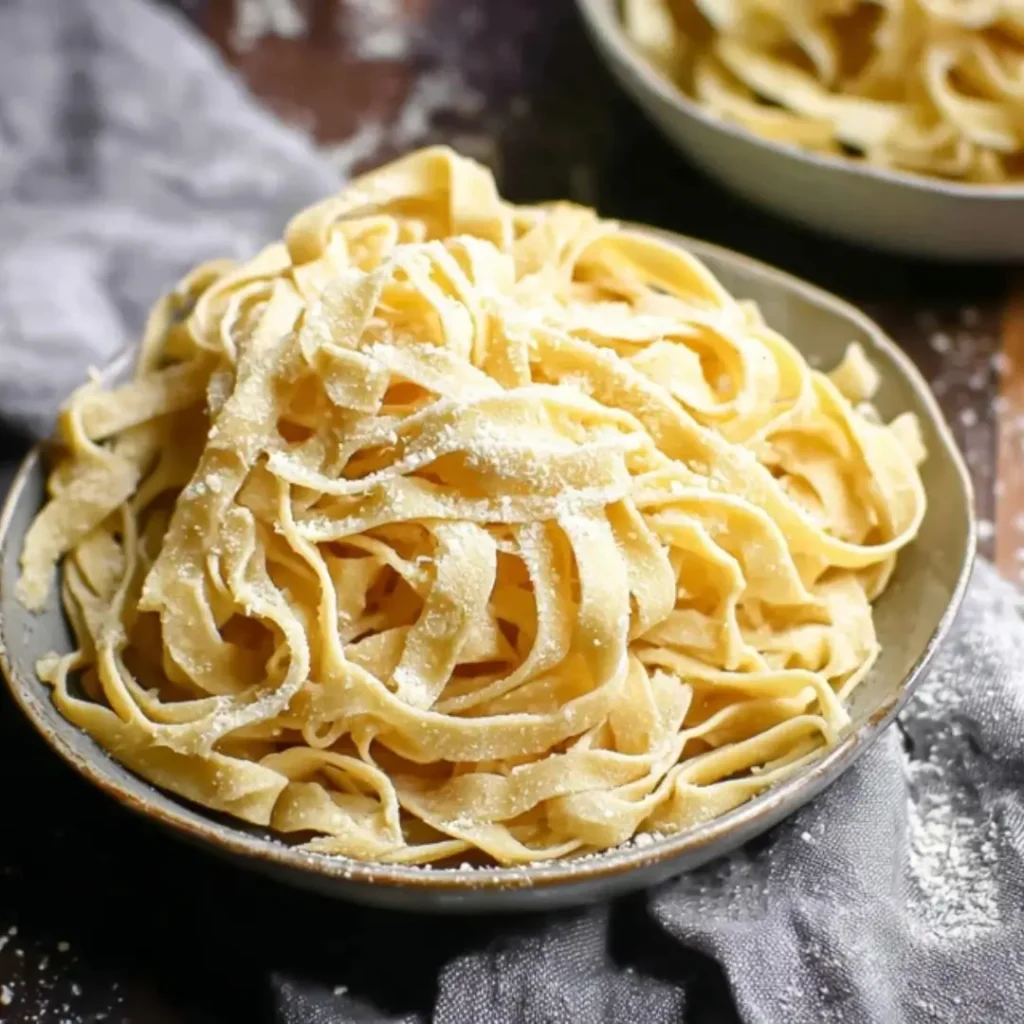
How to Store homemade egg noudles
After all the love you’ve poured into making your homemade egg noodles, you’ll want to ensure any leftovers stay just as delightful! Proper storage is key to preserving that wonderful texture and flavor.
Fridge Storage
Cooked noodles can be stored in an airtight container in the refrigerator for up to 3-4 days. I like to toss them with a tiny bit of olive oil before storing to prevent them from sticking together. When reheating, a quick dunk in boiling water or a gentle sauté in a pan with a splash of broth works wonders to bring them back to life.
Freezer Friendly Tips
Uncooked noodles freeze beautifully! Once cut, you can dust them lightly with flour and arrange them in a single layer on a baking sheet to flash freeze for about 30 minutes. Then, transfer them to a freezer-safe bag or container. They’ll keep for up to 2-3 months. When you’re ready to use them, simply cook them directly from frozen, adding a minute or two to the cooking time. My personal tip? I always label my freezer bags with the date so I know exactly how fresh they are!
Nutritional Benefits
While we often associate noodles with comfort, these homemade egg noodles offer a delightful blend of simple ingredients that contribute to a satisfying meal. Made with all-purpose flour and eggs, they provide a good source of carbohydrates for energy and protein from the eggs, offering a treat that’s both satisfying and nourishing. It’s my way of combining indulgence with wholesome goodness!
FAQs
Faq 1
Can I make the dough in advance?
Absolutely! You can prepare the dough for your homemade egg noodles, wrap it tightly in plastic wrap, and refrigerate it for up to 24 hours. Just let it come to room temperature for about 15-20 minutes before rolling.
Faq 2
What if my dough is too sticky or too dry?
If your dough for these delicious homemade egg noodles is too sticky, add a little more flour, a tablespoon at a time. If it’s too dry and crumbly, add a tiny bit of water, half a teaspoon at a time, until it comes together smoothly.
Faq 3
Do I need a pasta maker to make these noodles?
Not at all! While a pasta maker can make rolling easier, you can achieve wonderfully thin homemade egg noodles using just a rolling pin. It takes a little more effort, but the results are just as rewarding.
Faq 4
Can I use gluten-free flour for this recipe?
While you can experiment with gluten-free flour blends for homemade egg noodles, the texture will be different as gluten is crucial for the chewiness. Look for blends specifically designed for pasta to achieve the best results.
Conclusion
There you have it, friends—the delightful journey to creating your very own batch of homemade egg noodles! This recipe isn’t just about making food; it’s about connecting with a culinary tradition, infusing your kitchen with warmth, and creating those precious memories around the table. With a little love and these simple steps, you’ll be enjoying tender, chewy noodles that taste of home, comfort, and pure joy. So go on, roll up your sleeves, and let’s make some magic happen in the kitchen!