
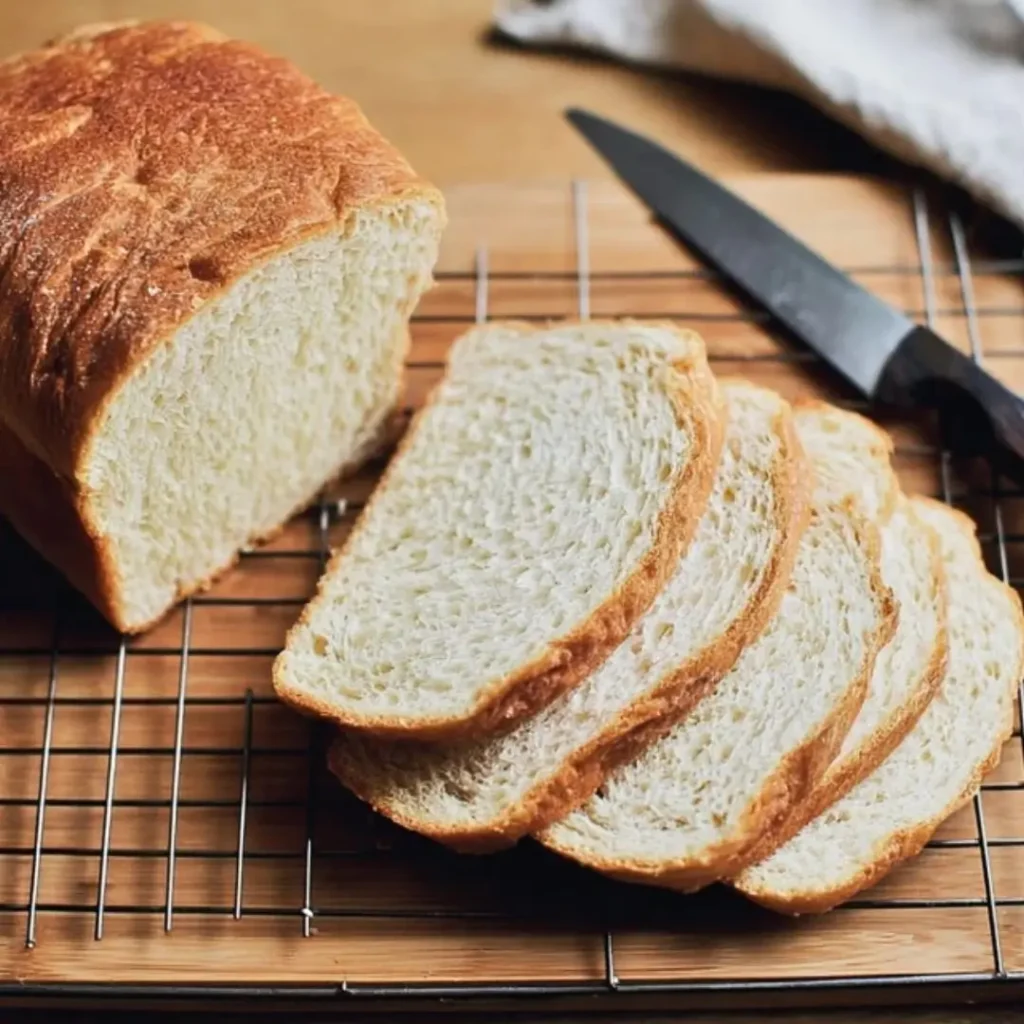
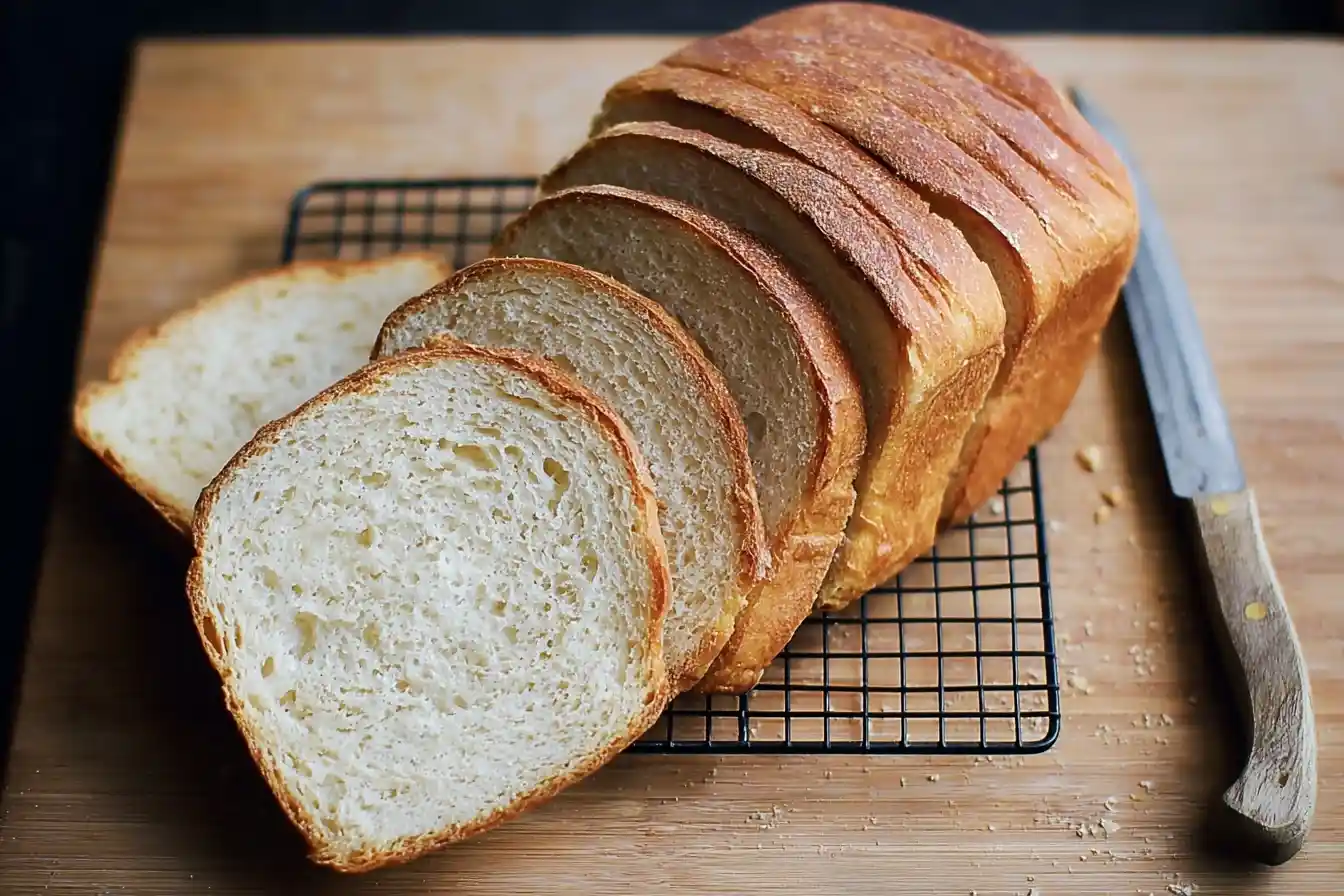
Oh, friends, there’s truly nothing quite like the aroma of freshly baked bread wafting through the kitchen, especially when it’s a magnificent Sourdough Sandwich Bread. This isn’t just any loaf; it’s a tender, golden-crusted marvel with that signature tangy crumb that makes every sandwich feel like a gourmet experience. It’s the kind of bread that tells a story of patience, love, and the incredible magic of a living sourdough starter.
My journey into baking really deepened in my grandmother’s kitchen, where flour dust danced in sunbeams and the smell of yeast was a constant, comforting presence. There, I learned the rhythm of mixing, kneading, and waiting, discovering that the most rewarding creations often took a little time and a lot of heart. This sourdough journey is much the same – a beautiful dance between baker and dough.
This recipe is a wonderful introduction to the world of sourdough baking, proving that a truly exceptional loaf can be approachable even for beginners. It’s perfect for elevating your everyday lunches and creating cherished memories around the dinner table. My top tip? Don’t be afraid to get your hands a little floury; it’s all part of the fun!
What You Need to Make This Recipe
Crafting this delightful bread calls for a few simple, yet essential, ingredients. We’re leaning on the power of an active sourdough starter to give us that signature tang and rise, paired with bread flour for its excellent gluten structure, creating a wonderfully chewy texture. A touch of unsalted butter also adds a lovely richness to this easy Sourdough Sandwich Bread. You’ll find the complete list of ingredients and precise measurements in the recipe card below.
How to Make Sourdough Sandwich Bread
Embarking on the journey to bake your own Sourdough Sandwich Bread is a truly rewarding experience, one that unfolds with a gentle rhythm of mixing, resting, and shaping. You’ll begin by combining your active levain with the flours and water, allowing the dough to develop its strength through a series of gentle folds. After a good, long proof, where the magic of the sourdough truly comes alive, you’ll shape it into a beautiful loaf, ready for its golden transformation in the oven. It’s a dance of time and patience, but oh, the delicious reward!
Classic Sourdough Sandwich Bread
Ingredients
Equipment
Method
- In a small jar or bowl, combine 30g active sourdough starter, 30g bread flour, and 30g warm water (90-95°F / 32-35°C). Mix well until no dry spots remain. Cover loosely with a lid or plastic wrap and let it sit at room temperature (70-75°F / 21-24°C) for 8-12 hours, or until very active, bubbly, and passes the float test (a small dollop floats in water).
- In a large mixing bowl, combine 300g warm water (90-95°F / 32-35°C) and 100g active levain. Stir briefly to dissolve the levain. Add 400g bread flour and 100g all-purpose flour. Mix with your hands or a dough whisk until just combined and no dry flour remains. Cover the bowl with a plastic shower cap or plastic wrap and let it rest for 30 minutes to 1 hour. This is the autolyse stage.
- After the autolyse, sprinkle 10g fine sea salt over the dough. Add 20g softened unsalted butter. Using wet hands, gently work the salt and butter into the dough. This may feel messy at first, but keep squeezing and folding the dough until the butter and salt are fully incorporated.
- Perform a series of ‘slap and fold’ or gentle kneading for 5-7 minutes. The dough will become smoother and more elastic. Alternatively, stretch and fold the dough in the bowl for 5-10 minutes until it starts to develop strength. Place the dough back in the bowl and cover.
- Allow the dough to bulk ferment at room temperature (70-75°F / 21-24°C) for 3-5 hours. During this time, perform a series of ‘stretch and folds’ every 30-45 minutes for the first 2 hours. To perform a stretch and fold: With wet hands, gently grab a portion of the dough from one side, stretch it up, and fold it over the center. Rotate the bowl a quarter turn and repeat this process 3-4 times until all sides have been stretched and folded. After the first 2 hours (approx. 3-4 sets of folds), let the dough rest undisturbed for the remainder of the bulk fermentation. The dough should increase in volume by about 20-30%, be gassy, and feel light.
- Lightly flour your work surface. Gently turn the dough out onto the surface. Using a dough scraper, gently pat it into a rough rectangle. Fold the top third down to the center, then the bottom third up and over the top, creating a log. Gently roll and seal the seams. Cover loosely with plastic wrap and let it rest for 20-30 minutes. This helps the gluten relax.
- Lightly grease your loaf pan (8.5 x 4.5 inches or 9 x 5 inches) with butter or oil. Uncover the dough. Gently flatten the dough into a rectangle again. Fold the top third down to the center. Press down lightly to seal. Fold the bottom third up and over the top, creating a log. Press to seal. Turn the dough seam-side up. Using the palms of your hands, gently roll the log away from you and then back towards you a few times to tighten the surface tension and create a uniform shape that fits your loaf pan. Place the shaped dough seam-side down into the prepared loaf pan.
- **Cold Proof (Recommended for flavor & ease):** Cover the loaf pan tightly with plastic wrap or a plastic bag. Refrigerate for 8-12 hours, or up to 24 hours. OR **Room Temperature Proof:** Cover the loaf pan and let it proof at room temperature (70-75°F / 21-24°C) for 2-4 hours, or until the dough has risen by about 50-75% and feels light and airy when gently poked. It should slowly spring back.
- About 30-45 minutes before baking, preheat your oven to 425°F (218°C) with a rack in the middle position. If you like a slightly crisper crust, you can place a baking steel or stone in the oven to preheat.
- If cold-proofing, take the loaf pan directly from the fridge. Lightly mist the top of the dough with water or brush with an egg wash for a softer, golden crust (optional). Bake at 425°F (218°C) for 20 minutes. Reduce oven temperature to 375°F (190°C) and bake for another 20-25 minutes, or until the crust is golden brown and the internal temperature reaches 200-210°F (93-99°C). If the top is browning too quickly, you can loosely tent it with foil.
- Remove the loaf from the oven and immediately turn it out onto a wire cooling rack. Allow it to cool completely for at least 1-2 hours before slicing. Slicing warm sourdough bread can lead to a gummy interior.
Notes
Pro Tips for Making This Sourdough Sandwich Bread
Baking, to me, is an act of love, and over the years, I’ve gathered a few little secrets that make the process even more joyful and the results even more delicious. This Sourdough Sandwich Bread recipe, while straightforward, truly shines with a bit of guidance.
- Understanding Your Starter: My top tip for sourdough success is to really get to know your starter. It should be active and bubbly, floating in water when you test it. If it’s sluggish, give it another feeding or two before baking; a happy starter makes happy bread!
- Embrace the Stretch and Fold: Instead of intense kneading, this recipe relies on gentle stretch and folds. I always recommend performing these with wet hands to prevent sticking and allow the gluten to develop beautifully without overworking the dough.
- Temperature Matters: Dough temperature is incredibly important for consistent results. I always aim for a warm spot in my kitchen (around 75-80°F or 24-27°C) for bulk fermentation to encourage a steady rise and flavor development for my Sourdough Sandwich Bread.
- My Secret Trick: I find that a light mist of water in the oven during the first few minutes of baking helps create that wonderfully crispy, golden crust that we all adore.
Fun Variations for Sourdough Sandwich Bread
One of the most delightful aspects of home baking is the freedom to get a little creative! While this classic Sourdough Sandwich Bread is perfect as is, it’s also a wonderful canvas for adding your own personal touch. My sister, for instance, adores a hint of something extra in her bread, and I’ve tried a few things that have become family favorites.
- Herbaceous Delight: For a savory twist, try kneading in a tablespoon of finely chopped fresh rosemary and a teaspoon of garlic powder after the first stretch and fold. It makes for incredible garlic bread or a flavorful base for bruschetta!
- Seeded Goodness: I love to add a mix of sesame, poppy, and sunflower seeds to the dough, either mixed in during the initial stages or sprinkled generously on top before baking. It adds a lovely crunch and nutty flavor, turning this humble Sourdough Sandwich Bread into something truly special.
- Sweet Touch: A friend once asked me to make a slightly sweeter version, and I discovered that incorporating about two tablespoons of honey or maple syrup into the dough water creates a subtly sweeter crumb that’s absolutely divine for breakfast toast or a PB&J.
What to Serve With Sourdough Sandwich Bread
This beautiful Sourdough Sandwich Bread isn’t just a loaf; it’s an invitation to gather and enjoy simple pleasures. Whether it’s the star of your lunch table or a comforting side, it truly shines with a few thoughtful accompaniments. I love thinking about how it can complete a meal, just like my grandmother always said a good piece of bread could.
- Classic Comfort: My absolute favorite way to enjoy a slice is simply toasted, slathered with good quality butter and a sprinkle of flaky sea salt. It’s pure, unadulterated bliss.
- Soup’s Best Friend: This bread is the ultimate companion to a hearty bowl of homemade soup or a robust stew. Its sturdy crumb and tangy flavor are perfect for soaking up every last drop.
- Elevated Sandwiches: Of course, it makes for the most incredible sandwiches! Think thinly sliced turkey, creamy avocado, and a fresh pesto, or a classic grilled cheese where the crust gets perfectly crisp.
- Bruschetta Base: For a quick appetizer, toast thin slices and top with fresh diced tomatoes, basil, and a drizzle of balsamic glaze. It’s an easy win for unexpected guests!
How to Store Your Wonderful Loaf
After all the love and effort you’ve poured into baking this beautiful Sourdough Sandwich Bread, you’ll want to make sure it stays fresh and delicious for as long as possible! Proper storage is key to preserving its delightful texture and flavor.
To keep your freshly baked loaf at its best for a few days, I recommend storing it at room temperature in a paper bag inside a plastic bag, or wrapped loosely in a clean kitchen towel. This allows it to breathe a little while still protecting it from drying out. For longer storage, you can easily freeze Sourdough Sandwich Bread. Once it has completely cooled, slice it and place the slices in an airtight freezer bag. When you’re ready for a piece, simply pop a frozen slice into the toaster for a taste of fresh-baked goodness! My personal tip: If the crust starts to soften, a quick few minutes in a hot oven (around 350°F or 175°C) can help revive that lovely crispness.
Nutritional Benefits
While we often focus on the joy of flavor, this Sourdough Sandwich Bread also brings some wonderful qualities to the table. Thanks to the fermentation process, sourdough can be easier to digest for many, and it often boasts a lower glycemic index compared to traditional breads. Made with wholesome flours, it offers dietary fiber and essential minerals, making it a treat that’s both satisfying and nourishing in Sara’s kitchen.
FAQs
Faq 1
How do I know if my sourdough starter is active enough for this recipe?
Your starter should be bubbly, have a pleasant tangy smell, and ideally double in size a few hours after feeding. A good test for this Sourdough Sandwich Bread is the float test: drop a small spoonful into water; if it floats, it’s ready!
Faq 2
Can I use all-purpose flour instead of bread flour?
While bread flour gives the best chew and structure to Sourdough Sandwich Bread due to its higher protein content, you can substitute it with all-purpose flour. The crumb might be a little softer, but it will still be delicious.
Faq 3
Why is my sourdough bread dense?
A dense Sourdough Sandwich Bread can be caused by a few factors, such as an inactive starter, under-proofing, or not developing enough gluten strength during the stretch and folds. Ensuring your starter is vigorous is often the first step to a lighter crumb.
Faq 4
How long does homemade sourdough sandwich bread last?
Stored properly at room temperature, your Sourdough Sandwich Bread will stay fresh for 3-4 days. For longer enjoyment, it freezes beautifully for up to a few months, ready to be toasted straight from the freezer.
Conclusion
There you have it, dear bakers — a simple path to creating your very own Sourdough Sandwich Bread. This recipe is a testament to the magic that happens when simple ingredients are combined with a little time, patience, and a whole lot of heart. I truly hope it inspires you to embrace the joy of baking from scratch, filling your home with the most comforting aromas and your table with a loaf that brings smiles and creates cherished memories. Happy baking!